First phase of project will expand low-carbon steam production, reduce greenhouse gas emissions and support district-scale decarbonization in Seattle.

This recognition is incredibly meaningful because it comes directly from the feedback of our amazing team members. At CenTrio, respect, accountability, and trust are more than just words—they are the cornerstones of our daily operations, our company culture, and our relationships.

On 7/1/26, CenTrio achieved a significant milestone by successfully completing a $485 million comprehensive refinancing, aimed at strengthening its capital structure to support long-term growth.


Our "on-pipe" business line
integrates varied buildings into
CenTrio energy networks.


We build partnerships with public entities to deliver services & transfer risk.
Learn More

Financial stability allows
us to invest in long-term infrastructure expansions.


CenTrio creates tailored centralized energy systems for new & undeveloped areas.
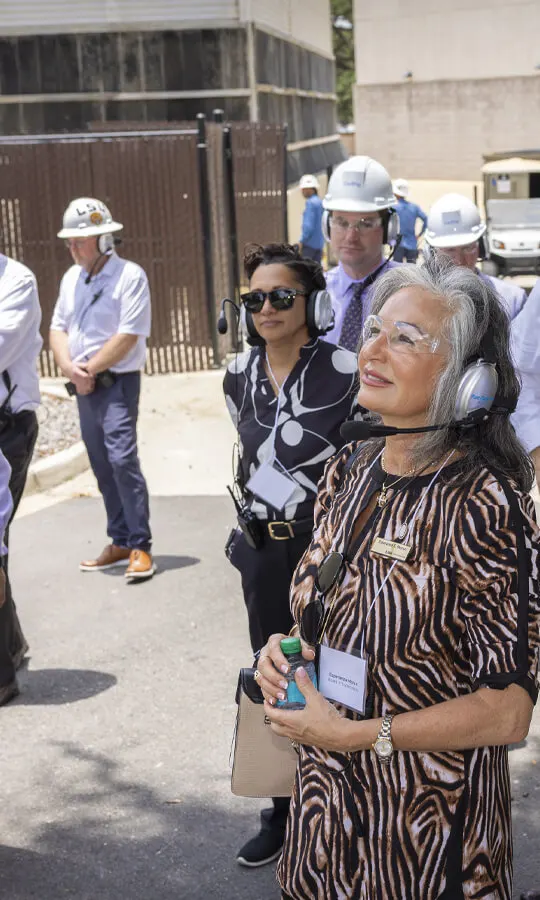
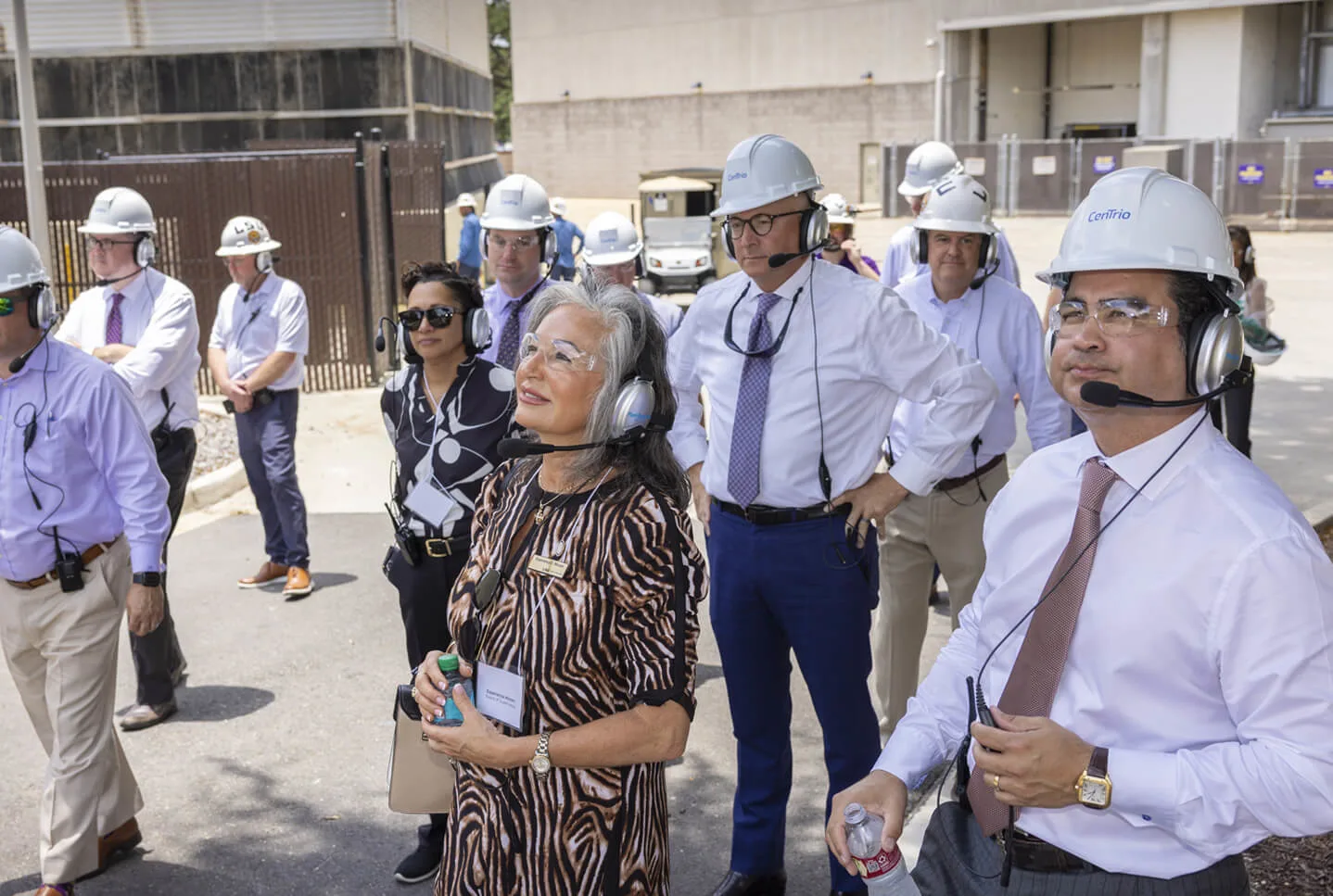
Learn MoreCenTrio partners with Louisiana State University (LSU) in Baton Rouge, LA to modernize, operate, & maintain the on-campus district energy system. Our long-term 30-year concession agreement attracts a diverse, inclusive, & local team to achieve defined project goals.
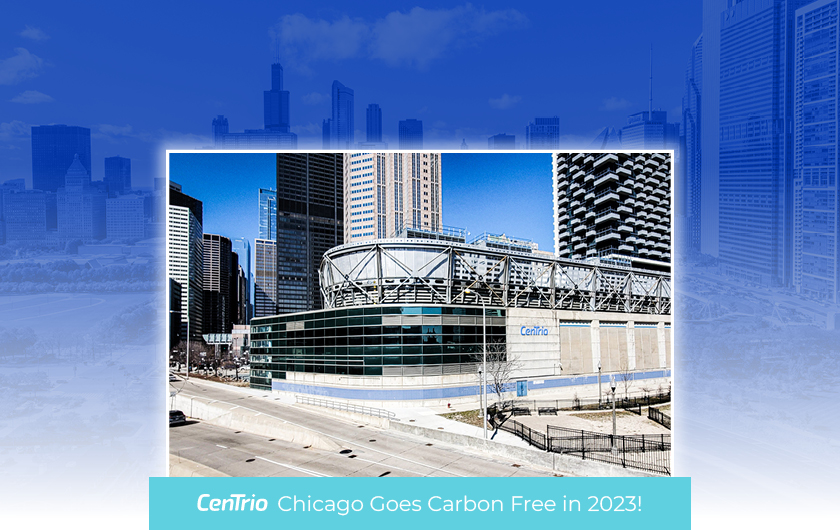
Our growing Chicago district harnesses the power of the largest ice battery system in North America to maintain comfortable building temperatures year-round for thousands. Our ice battery dramatically reduces electricity costs & frees up on-site space for offices, hotels, government buildings, entertainment facilities, & schools.
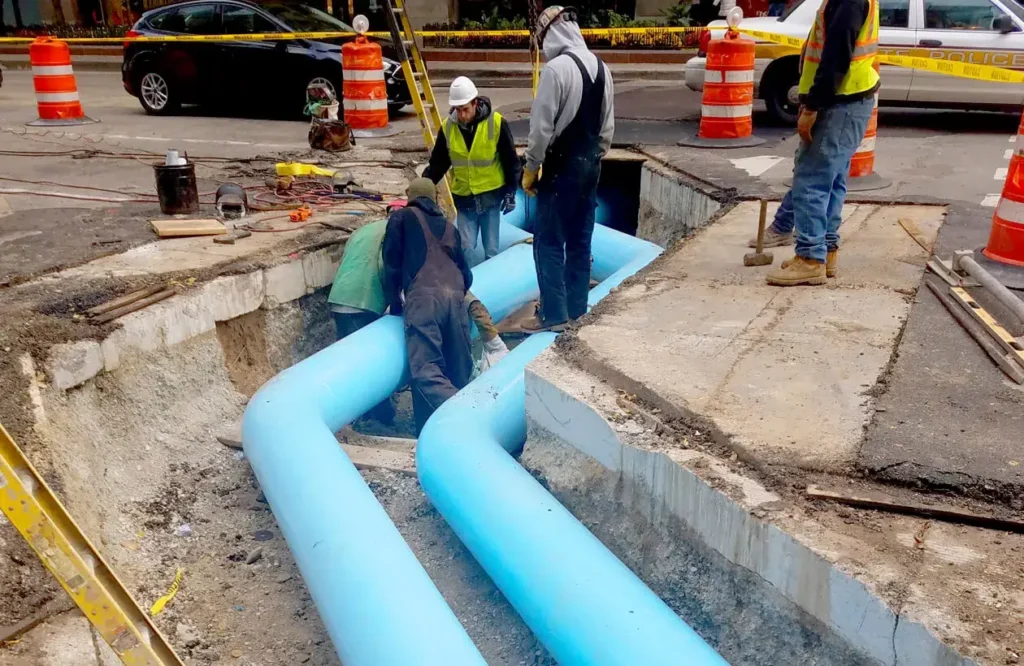
CenTrio and the National Western Center Authority (NWC) spearhead the integration of wastewater as energy in place of fossil fuels. The NWC sources on-site sewer pipelines to meet 85% of Colorado State University's (CSU) utility needs. Beyond CSU, this joint project serves the City of Denver, Denver County, & the Western Stock Show.
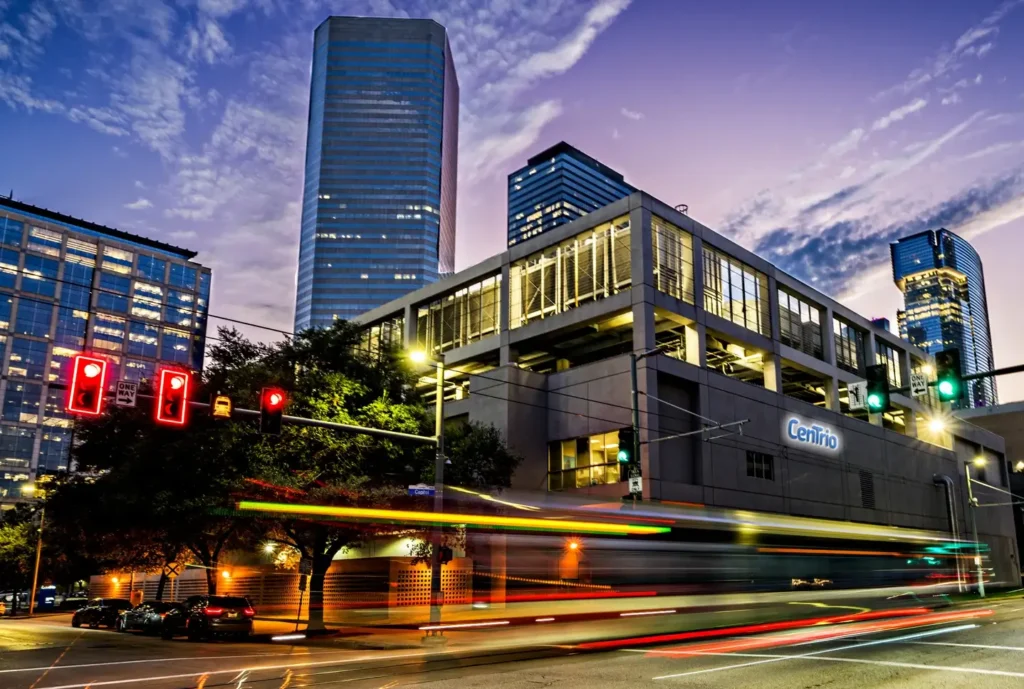
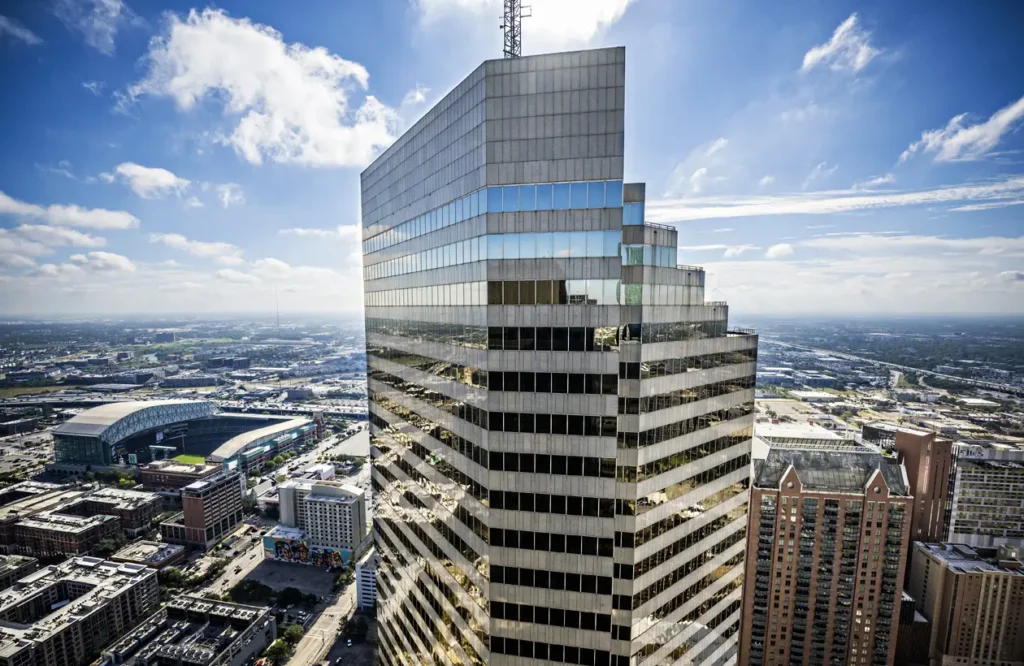
Built in 1999, CenTrio’s downtown district energy system supports 19 million square feet of building space, including Daikin Park, home of the celebrated Houston Astros. Our technology reduces Houston's grid dependence during extreme weather events and record heat, allowing customers to focus on core operations without interruption.
Our L.A. district energy operation is all electric, supports 13 million square feet of building space in areas such as Bunker Hill, Century City, Hollywood & Highland, and Long Beach, and pioneers local decarbonization efforts.
CenTrio’s downtown district energy system provides chilled water & steam to 24 buildings, including the LSU Health Sciences Center, the University Med Center, & the LA Cancer Research Center. Even when raging storms like Katrina threaten the city, our critical utilities reduce destructive impacts & keep gathering spaces comfortable.
Operating in the Pacific Northwest since 1902, CenTrio serves The Art Institute of Portland, Portland Center Stage, & 8 buildings in historic Brewer Blocks. As redevelopment continues, residents and business owners require more space. Our district energy system increases space & reduces operating costs, risk, and environmental harm.
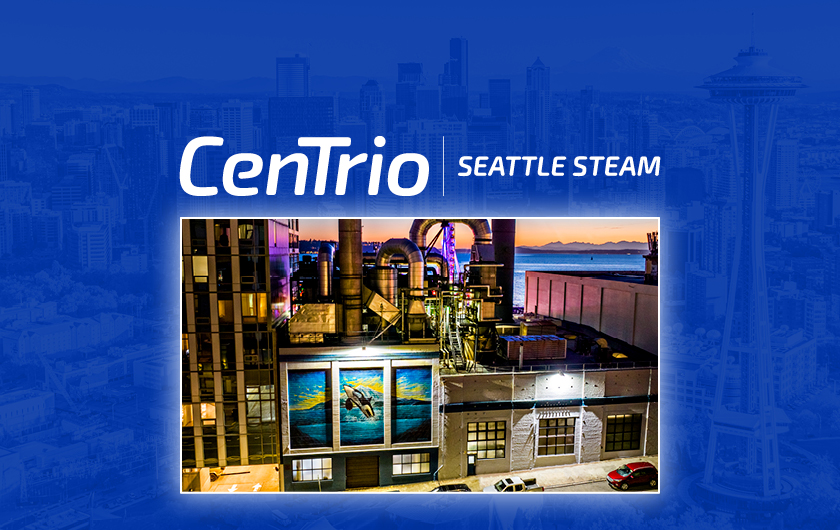
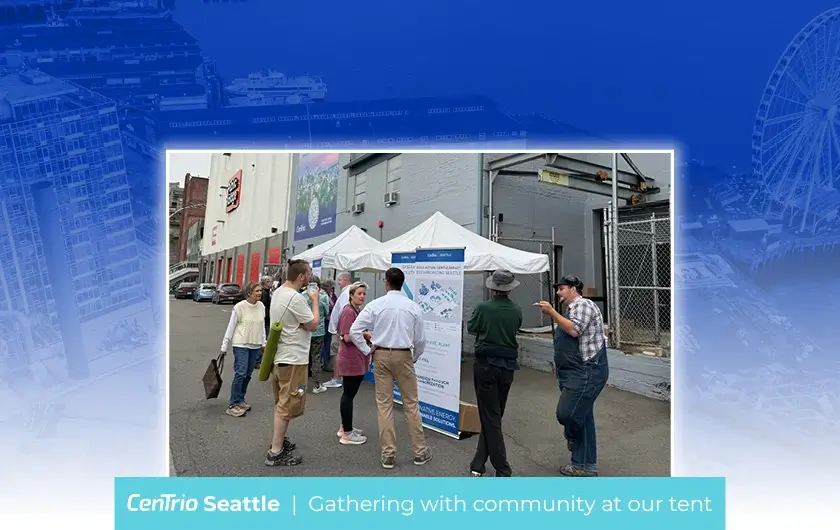
Our Seattle district encompasses 28.5 million square feet, providing heating solutions to over 150 buildings, including 3 major hospitals on First Hill. CenTrio's commitment to the environment is reflected in our Clean Energy Roadmap, developed to address carbon reduction and align with Washington’s Climate Commitment Act.
CenTrio partners with Syracuse University to modernize, operate, and maintain the campus-wide district energy system under a 40-year concession agreement. Modernization focused on 3 key areas: electrification & expansion of the chilled water plant, electrical infrastructure upgrades, & replacing steam production equipment.
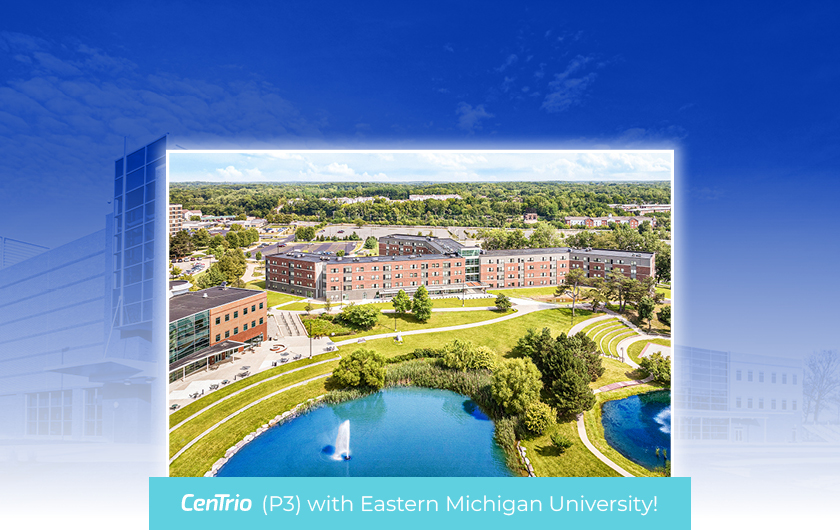
CenTrio's 50-year partnership with Eastern Michigan University (EMU) to invest in, modernize, and manage the campus utility infrastructure was established in 2023. As part of this project, we support EMU's Comprehensive Energy Management program, a progressive initiative focusing on research, campus growth, & sustainability.
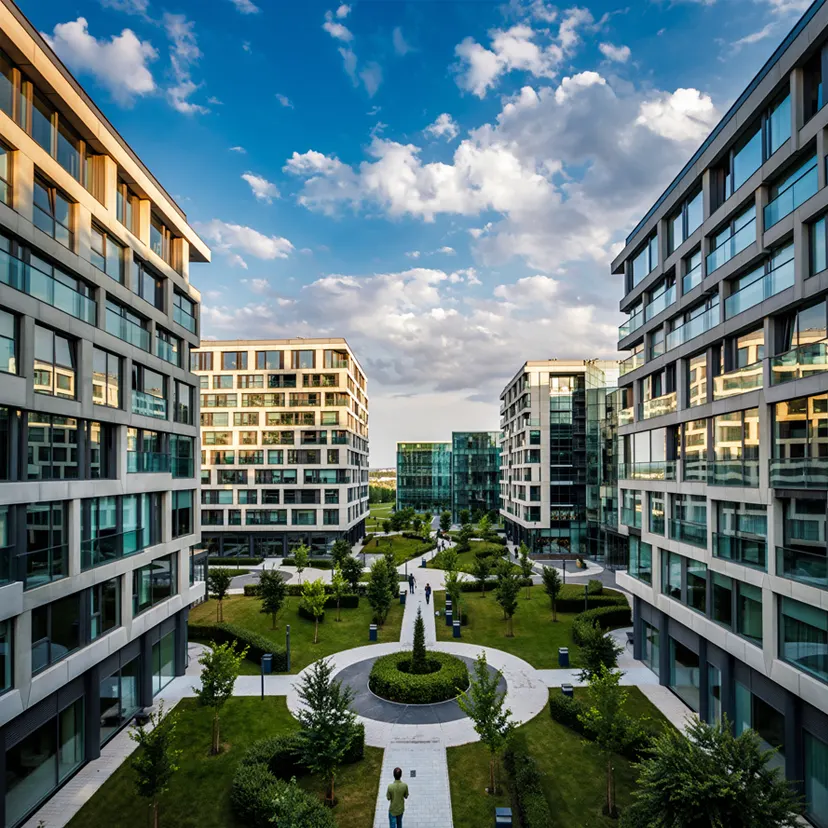
CenTrio leverages development expertise, financial strength, operational excellence, & advanced technology to partner with universities such as Eastern Michigan University and healthcare campuses like Virginia Mason Medical Center in Seattle. Our deep proficiency in modernizing complex infrastructure creates future-ready campuses in scalability, reliability, & sustainability.
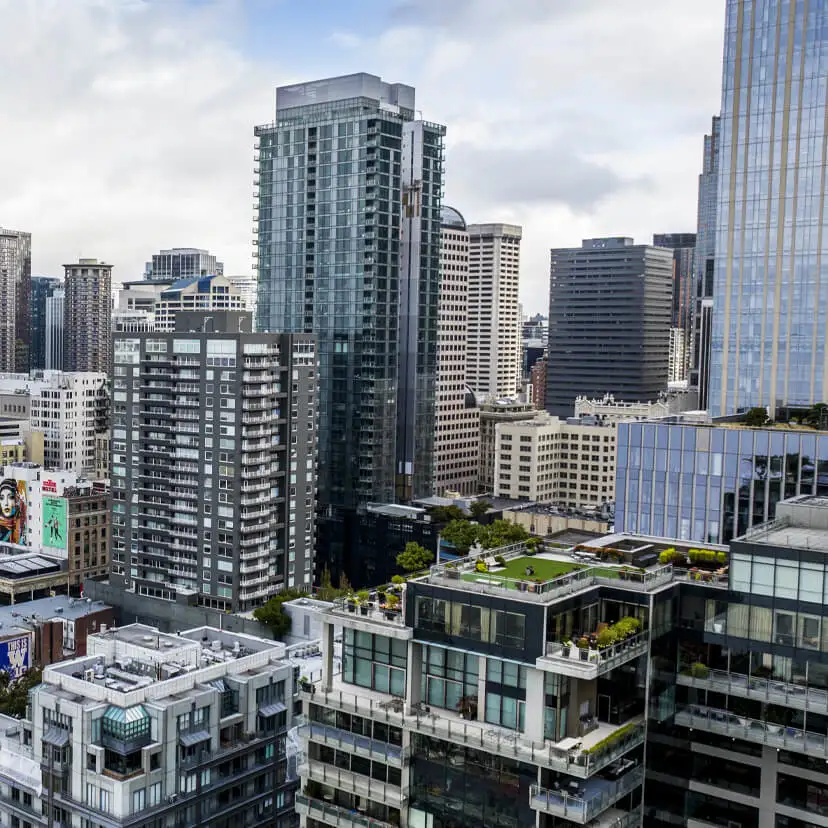
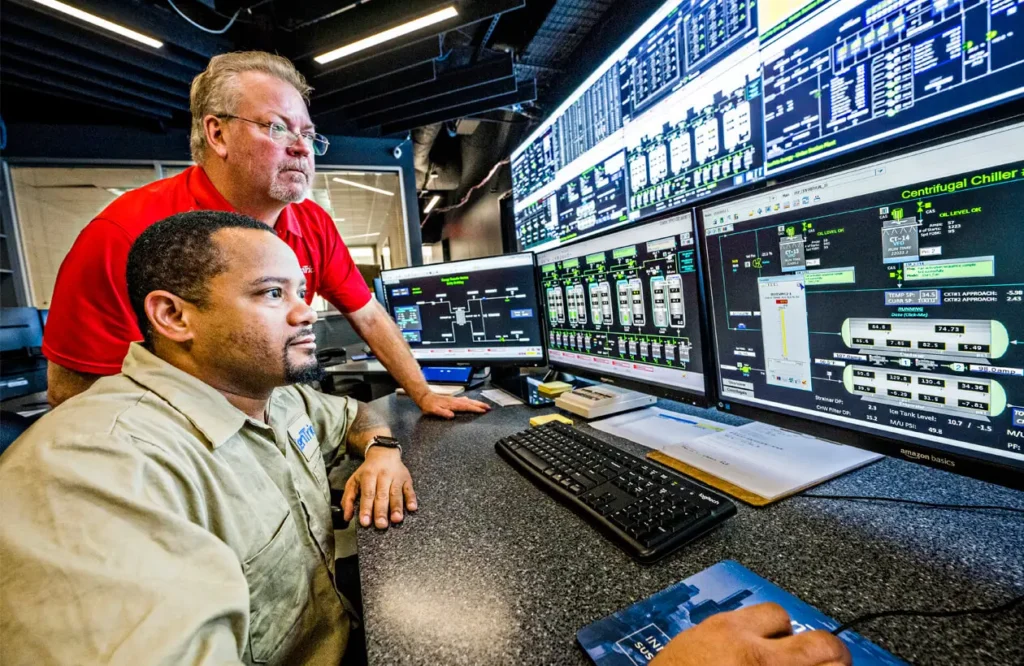
We develop, design, finance, build, operate, sustain, and expand district energy systems in numerous industries, including hospitality, entertainment, commercial, municipal, higher education, healthcare, and emerging markets. We connect businesses to our established energy networks, relieving them of burdens such as noise pollution, maintenance, and eventual equipment replacement.


Our Sustainability & Impact Annual Report tracks progress while our Sustainable Infrastructure Plan maps out a comprehensive decarbonization roadmap to guide our activities.
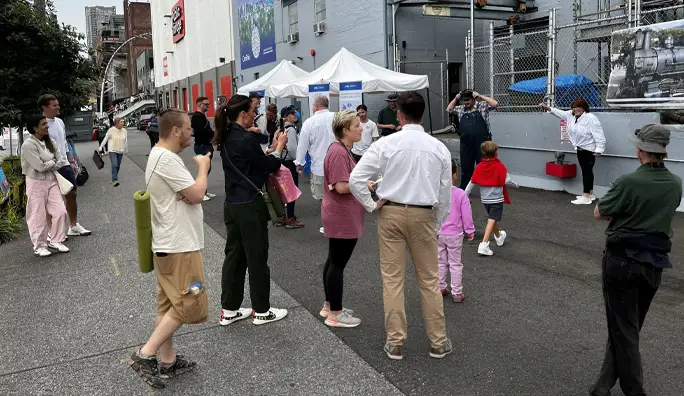

We recognize the power of community connection. We build positive relationships through economic organization alliances, local event sponsorship and service, and educational workshops.
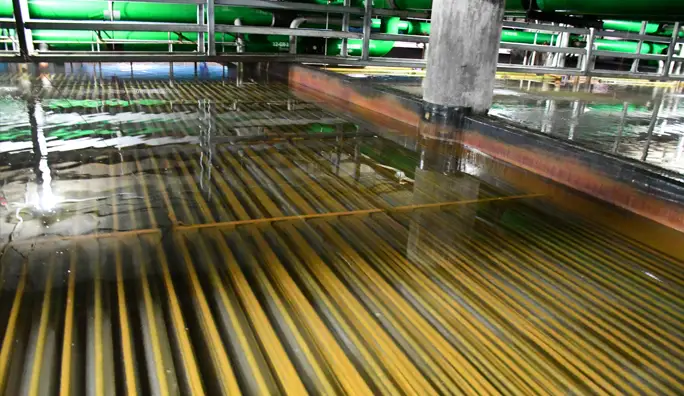

We operate the largest ice battery system in North America, maintaining comfortable building temperatures year-round and reducing electricity costs for thousands of end-users.
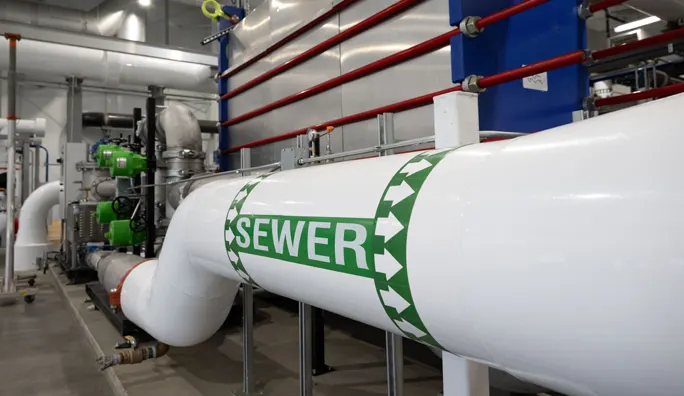

We displace fossil fuels by harvesting heat energy from wastewater. Our ambient loop captures thermal sewer flows, transforming the NWC into a bold, low-impact sustainable landmark.